Skip to main content

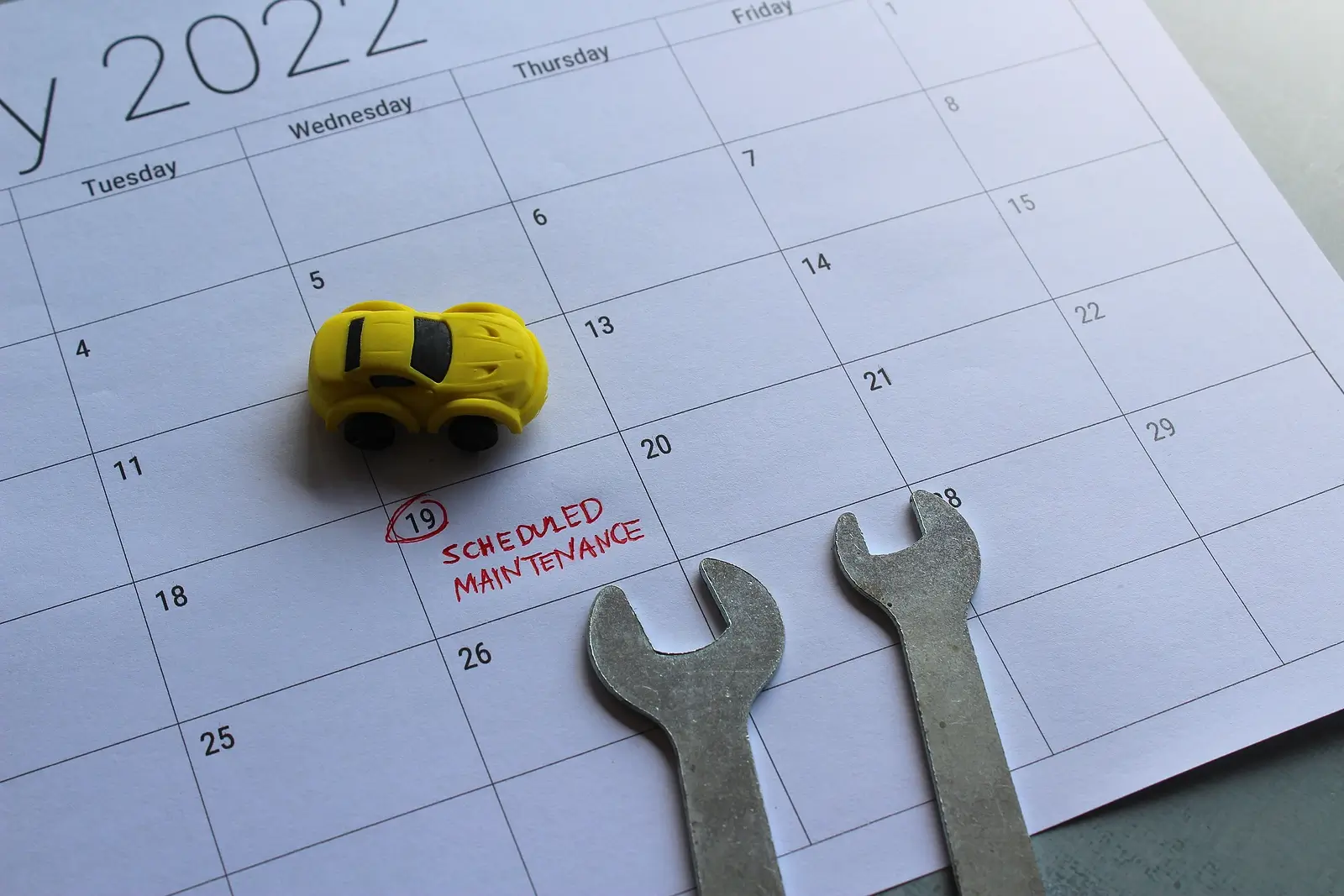
A calendar is where intentions become commitments.
When your rental property isn't penciled in, those commitments fade. Maintenance tasks get pushed to tomorrow, inspections drift into next month, and small issues quietly gather strength until they demand costly repairs all at once.
A preventive maintenance calendar brings your property back into focus.
It marks each task with purpose, guided by your property's type and age, turning scattered to-dos into a steady rhythm of care. No missed moments, no costly surprises, just a system that keeps everything exactly where it should be, right on schedule.
Key Takeaways
A preventive maintenance plan reduces repair costs and keeps systems functioning properly
Property type and age determine how often you should perform maintenance tasks
Consistent maintenance activities improve tenant safety and long-term cost savings
Understanding the Purpose of a Preventive Maintenance Schedule
A preventive maintenance schedule organizes your maintenance tasks into clear timelines. Instead of reacting to issues, you implement a proactive maintenance plan that focuses on regular maintenance and routine inspections.
This approach ensures optimal performance across your HVAC, electrical, and plumbing systems, reduces unexpected repairs, and maintains a well-maintained property.
Defining Property Types and Age Bands for Scheduling
How Rental Property Type and Age Influence Maintenance Plans
Different rental property types demand different maintenance strategies. Single-family homes, multifamily properties, and larger portfolios each require tailored maintenance activities.
Older properties require more frequent inspections and more detailed preventive maintenance, while newer ones focus on preserving energy efficiency and system longevity.
Assessing Property Type and Age for Rental Properties
Start with a thorough assessment of your rental property. Identify building types, unit counts, and usage patterns that affect maintenance work.
Document construction and renovation years, then factor in climate conditions and safety regulations. These details help you build a preventive maintenance program that aligns with your property's integrity.
Building a Maintenance Plan Framework for Long-Term Efficiency
Structuring Your Maintenance Plan and Task Priorities
Your maintenance plan should define frequency tiers based on property age and type. Map maintenance tasks to monthly, quarterly, and annual schedules.
Prioritize safety inspections and safety devices first
Schedule recurring tasks for high-use systems
Allocate time for seasonal maintenance and inspections
Address minor issues before they become costly repairs
This structure keeps your property maintenance organized and efficient.
Creating a Preventive Maintenance Checklist That Works
Designing a Practical Maintenance Checklist for Rental Properties
A preventive maintenance checklist standardizes your operations and ensures no task gets missed.
Monthly: test smoke detectors, carbon monoxide detectors, and inspect air filters
Quarterly: perform HVAC servicing and plumbing system checks
Annually: conduct full property inspections and test sprinkler systems
Assign responsibilities to property managers or maintenance teams to ensure accountability.
Tailoring Maintenance Tasks by System for Better Performance
Every system on your property requires targeted maintenance. When you align tasks with system needs, you improve performance and reduce equipment failures.
A system-based approach ensures your maintenance plan covers every critical component, including HVAC systems and electrical systems.
HVAC System Maintenance and Heating Systems Management
Scheduling HVAC System Inspections and Servicing
Your HVAC system directly affects tenant comfort and energy efficiency. Set clear inspection intervals and replace air filters regularly.
Keep a record of HVAC servicing and maintain contact with service providers. Consistent upkeep prevents costly emergencies and keeps air conditioning systems operating efficiently.
Electrical Systems and Safety Device Inspections
Ensuring Electrical Systems Meet Safety Standards
Electrical systems require regular inspections to prevent safety hazards. Test breakers, inspect wiring, and replace aging components as needed.
Check fire extinguishers, smoke detectors, and carbon monoxide detectors during routine maintenance. These safety devices protect tenants and ensure compliance with safety regulations.
Pest Control Strategy for Long-Term Property Protection
Building a Reliable Pest Control Plan
Pest control plays a critical role in maintaining your rental property. Schedule an initial assessment and set recurring pest control visits.
Work with licensed vendors to handle infestations early. Preventative pest control protects your property value and keeps tenants satisfied.
Plumbing and Exterior Maintenance Activities You Should Prioritize
Managing Plumbing Systems and Exterior Features
Inspect your plumbing system regularly to prevent leaks and water damage. Schedule drain checks and monitor water pressure.
Handle exterior maintenance tasks, including gutter cleaning, lawn maintenance, and inspection of outdoor lighting fixtures. Maintaining exterior paint and seals preserves structural integrity.
Assigning Roles to Property Managers and Maintenance Teams
Defining Responsibilities Across Property Management Teams
Clear role assignment ensures your maintenance plan runs smoothly. Property managers oversee maintenance requests and inspections.
Maintenance teams handle routine maintenance, while specialized vendors address complex tasks. Hands-on property managers keep everything aligned.
Implementing Your Calendar Using Property Management Tools
Using Property Management Software for Efficiency
Choose a reliable property management software to organize your maintenance schedule. Import your maintenance checklist and automate reminders.
Integrate vendor contacts and work orders into your system. This streamlines maintenance activities and reduces missed tasks.
Budgeting for Maintenance Activities and Repair Costs
Planning Financially for Preventive Maintenance
Estimate maintenance costs based on property age and condition. Older properties often require higher repair budgets.
Set aside funds for emergency repairs
Build a maintenance reserve fund
Allocate budget for seasonal maintenance
Plan for major appliance replacements
This financial planning supports long-term cost savings.
Tracking and Improving Maintenance Activities Over Time
Track every maintenance activity you complete. Log inspections, store invoices, and document contractor reports.
Review your maintenance schedule regularly and adjust based on inspection results. This helps you maintain property efficiency and prevent recurring issues.
Tenant Communication and Emergency Protocols
Strengthening Tenant Communication for Better Maintenance Outcomes
Effective tenant communication improves response times and reduces damage. Notify tenants about upcoming maintenance and encourage early reporting.
Provide clear emergency protocols and contact details. This improves tenant safety and ensures faster resolution of maintenance requests.
Performance Metrics Every Property Manager Should Track
Measuring Maintenance Efficiency and Property Performance
Track how well your maintenance plan performs. Monitor task completion rates, maintenance cost per unit, and tenant satisfaction.
These metrics help property managers refine their strategies and improve overall property management outcomes.
Templates and Sample Maintenance Checklists for Property Owners
Using Sample Calendars to Simplify Maintenance Planning
Use templates to simplify your maintenance plan. A rental property maintenance checklist helps standardize tasks across properties.
Provide monthly schedules for single-family homes and quarterly plans for multifamily properties. These templates make it easier to perform maintenance tasks consistently.
FAQ: Preventive Maintenance for Rental Properties
Q1. Why are seasonal tasks important in property maintenance?
Seasonal tasks prepare your property for changing weather, helping you prevent damage and maintain system performance.
Q2. How do you prioritize tasks in a maintenance plan?
You prioritize tasks based on urgency, safety risks, and system importance to prevent costly repairs.
Q3. Why should you regularly inspect your property?
Regularly inspect your property to catch issues early and keep all systems functioning properly.
We Protect Your Investment
Your property deserves more than reactive fixes. It needs a system built for stability, efficiency, and long-term growth.
Through Renters Warehouse Hampton Roads, every detail is handled with precision. This covers preventive maintenance planning, routine inspections, coordinating maintenance teams, managing tenant communication, and using property management software to keep schedules on track.
Our full-service approach also includes rental marketing and property listings, thorough tenant screening, lease management, rent collection, and financial reporting.
Take the weight off your shoulders today.
Reach out and discover how a well-built maintenance plan can turn your rental property into a reliable, high-performing investment.
Other Resources:
Which Online Platforms Should I Use to Post My Rental Listings?
Americans with Disabilities Act: A Landlord's Guide to Accessibility in Hampton Roads